


In today’s complex financial environment, risk management is the cornerstone of banking stability and profitability. With globalization, rapid digital transformation, and evolving regulatory requirements, banks face multiple risks that can threaten capital, earnings, and operational continuity.
Leading financial institutions such as JPMorgan Chase, HSBC, and Citibank, along with central regulators like the Federal Reserve and European Central Bank, have recognized risk management as a strategic priority, integrating advanced tools, data analytics, and governance frameworks into daily operations.
This article explores modern risk management strategies, the types of risks banks face, emerging technologies, and best practices to ensure long-term financial resilience.
What Is Risk Management in Banking?
Risk management in banking refers to the systematic identification, assessment, monitoring, and mitigation of potential threats that could adversely impact a bank’s financial position or operational integrity.
Modern banks are exposed to a wide range of risks, including:
- Credit Risk – Borrower default or delayed payments
- Market Risk – Losses due to fluctuations in interest rates, foreign exchange, or equities
- Liquidity Risk – Inability to meet short-term financial obligations
- Operational Risk – Internal process failures, human errors, or technological disruptions
- Cybersecurity and Technology Risk – Data breaches, hacking, and digital fraud
- Compliance and Regulatory Risk – Failure to meet regulatory standards
A robust risk governance framework enables banks to withstand economic downturns, regulatory changes, and market volatility while protecting stakeholders.
Key Types of Banking Risks and Mitigation Strategies
1. Credit Risk
Credit risk arises when borrowers fail to repay loans or meet contractual obligations. It remains one of the most significant challenges for commercial banks.
Mitigation Strategies:
- Advanced credit scoring models to evaluate borrower reliability
- Diversified loan portfolios to reduce concentration risk
- Stress testing to anticipate adverse scenarios
- Effective collateral management
Regulatory frameworks like Basel III have strengthened capital requirements, ensuring banks maintain adequate buffers to absorb potential credit losses.
2. Market Risk
Market risk refers to losses arising from fluctuations in interest rates, foreign exchange, equity prices, or commodity values.
Tools and Approaches:
- Value at Risk (VaR) modeling to quantify potential exposure
- Hedging strategies using derivatives
- Asset-Liability Management (ALM) to balance risk across portfolios
- Real-time market analytics
Investment banks, including Goldman Sachs and Morgan Stanley, leverage these tools to monitor exposure in volatile global markets.
3. Liquidity Risk
Liquidity risk occurs when a bank cannot meet short-term obligations due to inadequate cash flow or funding.
Best Practices:
- Maintaining high-quality liquid assets (HQLA)
- Complying with Liquidity Coverage Ratio (LCR) requirements
- Developing contingency funding plans
- Diversifying funding sources to minimize dependence on single channels
Global standards under Basel III significantly enhance liquidity monitoring and stress testing.
4. Operational Risk
Operational risk stems from internal inefficiencies, system failures, human error, or external disruptions. Examples include:
- Fraud or employee misconduct
- IT system outages
- Data breaches or cybersecurity lapses
- Process inefficiencies
Modern banks employ automation, AI monitoring systems, and internal audits to detect and mitigate operational vulnerabilities.
5. Cybersecurity and Technology Risk
With the rise of digital banking, online payments, and fintech integration, cybersecurity is now a top banking priority. Threats include:
- Ransomware and malware attacks
- Phishing and social engineering scams
- Data leaks and system intrusions
Banks invest in multi-factor authentication (MFA), AI-powered fraud detection, cloud security protocols, and RegTech solutions to safeguard sensitive information.
Core Risk Management Strategies in Modern Banking
1. Enterprise Risk Management (ERM)
ERM is a holistic approach that integrates all risk categories into a centralized governance framework. It ensures that a bank’s risk appetite aligns with its strategic objectives.
Benefits:
- Centralized risk oversight
- Cross-department coordination
- Improved board-level visibility
- Enhanced decision-making and resource allocation
2. Risk-Based Capital Allocation
Banks allocate capital based on risk-weighted assets (RWA), ensuring sufficient reserves for higher-risk exposures. Regulatory guidance from the Bank for International Settlements (BIS) provides a global framework for capital adequacy standards.
3. Stress Testing and Scenario Analysis
Stress testing simulates adverse economic or market conditions to assess potential vulnerabilities. Central banks, including the European Central Bank and Federal Reserve, mandate stress tests to ensure financial institutions remain resilient under crisis scenarios.
4. Data Analytics and Artificial Intelligence
Modern banks increasingly rely on big data and AI for predictive and real-time risk monitoring:
- Fraud detection algorithms identify unusual transaction patterns
- Credit risk models assess borrower behavior dynamically
- Behavioral analytics detect operational or market anomalies
AI-driven systems allow banks to preempt threats, enhancing operational and financial stability.
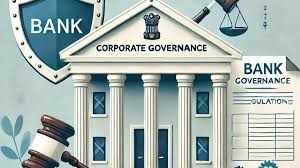
5. Regulatory Compliance and Governance
Adherence to regulatory standards is essential for operational integrity and market confidence. Core components include:
- Internal audit systems and compliance reporting
- Employee training programs on risk awareness
- Board-level risk committees overseeing enterprise-wide risk
- Coordination with international regulators for cross-border compliance
Robust governance minimizes penalties, reputational risk, and operational disruptions.
The Role of Technology in Risk Management
Digital transformation has redefined risk management in banking. Emerging technologies enhance both efficiency and transparency:
- Predictive analytics anticipate potential risk events
- Real-time compliance monitoring reduces regulatory exposure
- Decentralized finance (DeFi) modeling evaluates emerging fintech risks
- Climate risk assessment tools help banks incorporate ESG-related exposures
Partnerships with fintechs provide banks with agility and scalable solutions for evolving market challenges.
Challenges in Modern Banking Risk Management
Despite advanced strategies, banks face several persistent challenges:
- Increasing regulatory complexity across jurisdictions
- Cybersecurity threats and sophisticated digital attacks
- Global economic uncertainty affecting liquidity and credit
- Climate-related financial risks from environmental changes
- Rapid technological disruption requiring constant adaptation
Balancing profitability with prudent risk controls remains a strategic priority for sustainable growth.
The Future of Risk Management in Banking
Looking toward 2030 and beyond, several trends are expected to reshape risk management:
- Artificial Intelligence and predictive modeling for proactive threat mitigation
- Integrated ESG risk frameworks to assess climate and social risks
- Automated compliance ecosystems reducing human error
- Real-time global regulatory alignment to manage cross-border exposures
Banks that adopt technology-driven, proactive risk strategies will gain competitive advantages, ensuring long-term stability and resilience.
Frequently Asked Questions (FAQ)
What is banking risk management?
Banking risk management is the structured process of identifying, assessing, and mitigating potential threats that could negatively impact a bank’s capital, earnings, or operations.
What are the main types of banking risks?
Key risks include credit risk, market risk, liquidity risk, operational risk, cybersecurity risk, and regulatory compliance risk.
How do banks manage credit risk?
Banks manage credit risk using credit scoring models, portfolio diversification, stress testing, and collateral management, supported by regulatory frameworks like Basel III.
Why is AI important in risk management?
AI enables real-time monitoring, predictive analytics, fraud detection, and behavioral analysis, helping banks proactively mitigate potential threats.
What challenges do modern banks face in risk management?
Banks face challenges such as cyber threats, regulatory complexity, market volatility, climate-related risks, and rapid technological changes.