



The Importance of Financial Inclusion in Developing Economies

Financial inclusion has become a cornerstone for fostering economic growth, social equity, and poverty reduction in developing economies. At its core, financial inclusion ensures that individuals and businesses—particularly those in underserved communities—have access to affordable, secure, and useful financial services such as savings accounts, credit, insurance, and digital payments. Despite rapid economic progress in regions…

Read More

Global Financial Crises: Causes, Consequences, and Lessons Learned

Financial crises have repeatedly reshaped the global economic landscape, leaving lasting effects on businesses, governments, and individuals. From massive bank collapses to severe recessions, the ripple effects of these crises underscore the importance of understanding their causes, consequences, and the lessons they teach policymakers, investors, and citizens alike. This article provides a comprehensive analysis of…

Read More

Risk Management Strategies in Modern Banking

In today’s complex financial environment, risk management is the cornerstone of banking stability and profitability. With globalization, rapid digital transformation, and evolving regulatory requirements, banks face multiple risks that can threaten capital, earnings, and operational continuity. Leading financial institutions such as JPMorgan Chase, HSBC, and Citibank, along with central regulators like the Federal Reserve and…

Read More

The Role of Regulatory Bodies in Strengthening Financial Systems

In the modern global economy, financial systems play a central role in supporting economic stability, facilitating investment, and enabling businesses and individuals to manage money effectively. These systems include banks, stock markets, insurance companies, and other financial institutions that help circulate capital throughout the economy. However, financial markets can also face serious risks, including fraud,…

Read More

Cybersecurity Challenges in the Banking Sector: Risks, Trends, and Solutions in 2026

The banking sector is among the most targeted industries for cyberattacks. As financial institutions accelerate digital transformation, adopt cloud technologies, and expand mobile banking services, the cybersecurity landscape has grown increasingly complex. From ransomware campaigns to insider threats, banks face evolving risks that can disrupt operations, erode customer trust, and compromise financial stability. In this…

Read More

The Evolution of Investment Banking in the 21st Century

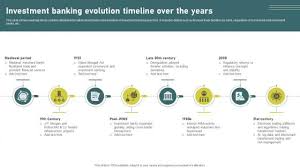
Investment banking has undergone a profound transformation over the past two decades. Once dominated by traditional advisory services and capital raising, the industry now embraces digital innovation, global expansion, and sustainable finance, while navigating complex regulatory landscapes. Major players like Goldman Sachs, JPMorgan Chase, and Morgan Stanley have been at the forefront of this evolution,…

Read More

Blockchain Technology and Its Impact on Global Finance

Blockchain technology is revolutionizing the way financial systems operate worldwide. From cross-border payments to decentralized finance (DeFi) and digital currencies, blockchain is reshaping how transactions are recorded, verified, and secured. As banks, fintech companies, governments, and startups increasingly adopt this innovative technology, its influence on global finance continues to expand. This comprehensive guide explores blockchain…

Read More

The Impact of Inflation on Banking Operations and Financial Markets

Inflation, defined as the sustained increase in the general price level of goods and services, is a critical economic factor influencing both banking operations and financial markets. Its effects are far-reaching, affecting interest rates, loan performance, investment strategies, and overall financial stability. For banks, investors, policymakers, and consumers, understanding the dynamics of inflation is essential…

Read More

Impact of Financial Technology (FinTech) on Traditional Banking

The rapid rise of Financial Technology (FinTech) has transformed the global financial landscape. From mobile banking apps to blockchain-based payments, FinTech innovations are redefining how individuals and businesses manage money. Traditional banks, once the undisputed leaders in financial services, now face significant pressure to adapt to digital disruption, changing customer expectations, and innovative competitors. This…

Read More

Artificial Intelligence in Financial Services: Opportunities and Risks

The financial services industry is undergoing a profound transformation, fueled by the rapid adoption of Artificial Intelligence (AI). From traditional banks to fintech startups, organizations are leveraging AI technologies to streamline operations, enhance customer experiences, and gain actionable insights from vast datasets. While AI offers immense opportunities for growth and efficiency, it also introduces significant…

Read More
??