



In today’s rapidly evolving financial landscape, banks play a crucial role in supporting economic growth, facilitating trade, and helping individuals manage personal wealth. Among the diverse banking systems, Islamic banking and conventional banking stand out as the most widely practiced worldwide. While both provide essential services like accepting deposits, offering loans, and enabling investments, they operate on fundamentally different principles.
Understanding the distinctions between these two systems is vital for investors, businesses, and consumers seeking ethical, profitable, and compliant financial solutions.
Understanding Conventional Banking
Conventional banking represents the traditional banking model that dominates much of the global financial system. It is built around interest-based transactions and profit maximization.
Key Features of Conventional Banking
- Interest-Based Lending
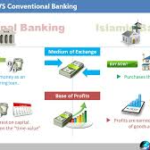
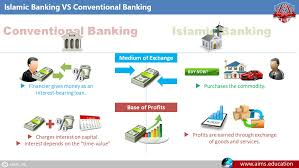
Conventional banks charge interest (riba) on loans, which forms their primary source of income. Borrowers repay the principal amount along with interest over a specified period. - Profit Motive
Maximizing shareholder wealth and generating returns is the central objective of conventional banks. This drives investment strategies and financial product development. - Collateral Requirements
Loans often require tangible or financial collateral to mitigate credit risk, protecting banks against defaults. - Regulatory Compliance
Conventional banks operate under national financial regulations and international standards like Basel III, ensuring systemic stability and risk management.
Advantages of Conventional Banking
- Wide Range of Financial Services: Conventional banks offer personal loans, credit cards, mortgages, and business financing.
- Flexibility: Adjustable interest rates, term loans, and investment options cater to diverse financial needs.
- Global Acceptance: Recognized worldwide, facilitating international trade and finance.
- Technological Leadership: Often leads in adopting digital banking, mobile apps, and online financial tools.
Limitations of Conventional Banking
- Debt Dependence: Overreliance on interest-based lending can contribute to personal and national debt accumulation.
- Ethical Concerns: Some investments may involve industries considered socially or environmentally harmful.
- Speculative Risks: Exposure to market volatility can affect stability.
Understanding Islamic Banking
Islamic banking, also called Sharia-compliant banking, operates in accordance with Islamic law, which prohibits interest (riba) and speculative transactions (gharar). Instead, it emphasizes ethical finance, risk-sharing, and social responsibility.
Key Features of Islamic Banking
- Profit-and-Loss Sharing
Instead of charging interest, Islamic banks share profits and losses with clients through contracts like Mudarabah (partnership) or Musharakah (joint venture). - Ethical Investments
Funds are invested only in Sharia-compliant sectors, avoiding prohibited industries such as alcohol, gambling, and tobacco. - Asset-Backed Financing
Transactions are backed by tangible assets, reducing speculation and fostering stability. - Social Responsibility
Islamic banks encourage charitable contributions (zakat) and community development, promoting economic inclusivity.
Advantages of Islamic Banking
- Ethical Financing: Investments adhere to moral and religious principles.
- Risk Sharing: Encourages shared responsibility between banks and clients, reducing default risks.
- Stability: Asset-backed financing minimizes speculative bubbles.
- Attracts Ethical Investors: Appeals to investors seeking Sharia-compliant or socially responsible investments.
Challenges of Islamic Banking
- Limited availability in certain regions
- Complexity in financial products and contracts
- Regulatory challenges due to varying interpretations of Sharia law
- Need for specialized financial expertise and Sharia boards
Key Differences Between Islamic and Conventional Banking
| Feature | Islamic Banking | Conventional Banking |
|---|---|---|
| Interest (Riba) | Prohibited | Permitted |
| Risk Sharing | Shared between bank and client | Transferred to client |
| Investment Principles | Ethical and Sharia-compliant | Profit-driven, no restrictions |
| Financial Instruments | Murabaha, Mudarabah, Ijara | Loans, bonds, credit lines |
| Profit Source | Profit-and-loss sharing | Interest and fees |
| Social Responsibility | High emphasis (Zakat, community projects) | Limited focus |
Comparative Analysis
Risk and Stability
Islamic banking promotes shared financial responsibility, reducing systemic risks during economic downturns. Conventional banks transfer most risk to the borrower, which can increase defaults during crises.
Ethical Considerations
Islamic banking emphasizes ethical investments aligned with religious and moral values. Conventional banking primarily focuses on profit generation, sometimes investing in sectors with ethical concerns.
Market Reach and Flexibility
Conventional banks are globally integrated and offer a wider variety of services, including complex financial instruments. Islamic banks are growing rapidly but still face challenges in regions where Sharia-compliant finance is less common.
Financial Products
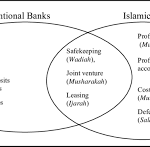
Islamic banks use innovative contracts like Murabaha (cost-plus financing), Ijara (leasing), and Mudarabah (profit-sharing). Conventional banks rely on loans, mortgages, and credit instruments with fixed or variable interest rates.
Global Trends and Growth
Islamic banking has experienced remarkable growth in recent years, particularly in:
- Middle East: UAE, Saudi Arabia, and Qatar have rapidly expanding Islamic banking sectors.
- Southeast Asia: Malaysia and Indonesia are pioneers in Sharia-compliant financial services.
- Europe: Islamic finance is growing in the UK, Germany, and France, catering to ethical investors and Muslim populations.
Conventional banking continues to dominate worldwide, but the increasing demand for ethical finance has prompted many conventional banks to introduce Sharia-compliant windows or products.
Future Outlook
The future of banking may see increased hybrid models, where conventional banks offer Islamic-compliant products alongside traditional services. This approach can:
- Expand market access
- Promote financial inclusion
- Foster innovation in ethical banking products
Emerging technologies like blockchain, AI, and fintech are also likely to influence both banking models, improving transparency, efficiency, and accessibility.
Frequently Asked Questions (FAQ)
What is the main difference between Islamic and conventional banking?
The primary difference is that Islamic banking prohibits interest (riba) and emphasizes ethical investments and risk-sharing, whereas conventional banking is interest-based and profit-driven.
Can non-Muslims use Islamic banking services?
Yes, Islamic banking services are available to anyone seeking ethical and Sharia-compliant financial solutions, regardless of religion.
Are Islamic banking products more expensive than conventional loans?
Islamic products may have slightly higher administrative costs due to profit-sharing agreements and compliance with Sharia law, but they often offer more stability and ethical investment benefits.
Which banking system is safer during financial crises?
Islamic banking is generally considered more resilient, as its risk-sharing and asset-backed financing reduce speculative exposure. Conventional banks may face higher default risks during economic downturns.
How is Islamic banking regulated?
Islamic banks operate under national banking regulations and are also supervised by Sharia boards, ensuring compliance with Islamic law.