






In today’s complex financial ecosystem, corporate governance in banking has become a cornerstone for maintaining financial stability, operational efficiency, and public confidence. Banks are central to economic growth, and strong governance practices are crucial to mitigate risks, ensure transparency, and uphold ethical standards.
This article explores the principles, importance, challenges, and global best practices of corporate governance in banking, highlighting how effective governance supports sustainable growth and stakeholder confidence.
What is Corporate Governance in Banking?
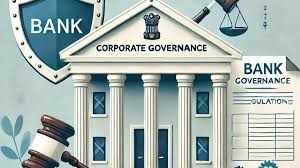
Corporate governance is the system of rules, practices, and processes by which a company is directed and controlled. In banking, it ensures that management decisions align with the interests of various stakeholders, including shareholders, employees, regulators, customers, and the wider economy.
Strong governance frameworks in banks focus on:
- Ethical and responsible management
- Risk identification and mitigation
- Transparent reporting and accountability
- Stakeholder engagement
Effective governance not only strengthens trust but also provides a foundation for long-term resilience and operational efficiency in the banking sector.
Key Principles of Corporate Governance in Banking
1. Accountability
Accountability ensures that management is answerable for its decisions. In banks:
- Boards of directors supervise management activities
- Policies and procedures are approved and regularly reviewed
- Performance monitoring ensures adherence to strategic goals
A clear accountability framework prevents mismanagement and enhances decision-making at all levels.
2. Transparency
Transparency is essential for building trust among investors, regulators, and customers. Banks achieve transparency through:
- Accurate and timely financial reporting
- Disclosure of risk exposures
- Clear communication of strategic and operational decisions
Transparent operations strengthen credibility and reduce the likelihood of regulatory violations or public mistrust.
3. Risk Management
Banks operate in a high-risk environment, facing challenges such as credit, market, liquidity, and operational risks. Corporate governance frameworks support:
- Risk identification and assessment
- Implementation of internal controls
- Continuous monitoring and mitigation strategies
Robust risk management safeguards the institution against unexpected losses and financial instability.
4. Ethical Conduct
Ethics form the foundation of trust in banking. Governance policies enforce:
- Compliance with laws and regulatory standards
- Adherence to codes of conduct and corporate values
- Ethical behavior in decision-making and customer interactions
Ethical governance reduces fraud, enhances reputation, and fosters sustainable operations.
5. Stakeholder Engagement
Engaging stakeholders ensures long-term confidence and stability. Effective engagement involves:
- Regular communication with investors and regulators
- Feedback mechanisms for employees and customers
- Transparency in strategic initiatives and policy changes
Active stakeholder engagement strengthens loyalty and reinforces the bank’s commitment to responsible governance.
Importance of Corporate Governance in Banking
1. Financial Stability
Weak governance can lead to mismanagement, fraud, and systemic financial crises. Strong governance practices ensure that banks operate efficiently, prudently, and resiliently, protecting depositors and the wider financial system.
2. Regulatory Compliance
Banks function under strict regulatory frameworks. Corporate governance ensures:
- Compliance with local and international regulations
- Adherence to Basel III and other risk management standards
- Alignment with financial reporting and audit requirements
Regulatory compliance minimizes legal risks and protects the bank’s reputation.
3. Investor Confidence
Investors are more likely to invest in banks with transparent, accountable, and well-governed operations. Proper governance enhances market credibility, attracts investment, and supports stock valuation.
4. Fraud Prevention and Operational Efficiency
Robust governance frameworks mitigate risks of:
- Fraud and embezzlement
- Misallocation of resources
- Operational inefficiencies
By enforcing checks and balances, banks can safeguard assets and maintain smooth operations.
Role of the Board of Directors in Banks
The board of directors serves as the backbone of corporate governance in banking. Their responsibilities include:
- Defining the strategic direction and approving key policies
- Monitoring management performance and accountability
- Ensuring effective risk management and internal controls
- Approving major investments, capital allocation, and mergers
- Upholding ethical standards and regulatory compliance
An empowered and independent board fosters a culture of responsibility, oversight, and strategic decision-making.
Global Best Practices in Banking Governance
Leading banks around the world adopt best practices to strengthen governance, including:
- Separation of roles between CEO and board chair to avoid concentration of power
- Independent audit and risk committees to oversee compliance and risk management
- Regular board and management evaluations to ensure performance and accountability
- Comprehensive internal controls to monitor operations, finances, and regulatory adherence
- Transparent disclosure policies for investors and stakeholders
These best practices serve as a benchmark for banking institutions seeking to enhance stability, transparency, and ethical standards.
Challenges in Corporate Governance in Banking
Despite its significance, corporate governance in banking faces several challenges:
1. Conflicts of Interest
Diverse stakeholder interests can lead to conflicts, making it difficult to balance profitability, compliance, and social responsibility.
2. Technological and Cybersecurity Risks
Rapid adoption of digital banking introduces challenges such as cybersecurity threats, data privacy issues, and technological failures that governance frameworks must address.
3. Pressure for Short-Term Results
Banks often face pressure to achieve short-term financial targets, which may compromise ethical practices and long-term governance principles.
4. Globalization and Regulatory Complexity
Cross-border banking operations face diverse regulatory frameworks. Aligning governance standards globally while complying with local laws remains a persistent challenge.
Future Trends in Corporate Governance for Banks
The future of corporate governance in banking is increasingly shaped by technology, regulation, and sustainability:
- Digital Governance Platforms: Real-time monitoring of compliance, risk, and operations using AI and data analytics
- Integrated Risk Management: Linking credit, market, operational, and cyber risks into a unified framework
- Sustainable Governance: Emphasizing ESG (Environmental, Social, Governance) principles to attract socially responsible investors
- Blockchain and Transparency: Using blockchain for secure, immutable record-keeping and audit trails
- Diversity and Inclusion: Boards with diverse perspectives enhance decision-making and stakeholder representation
These trends will help banks adapt to evolving risks, meet regulatory requirements, and maintain public trust.
Frequently Asked Questions (FAQ)
What is corporate governance in banking?
Corporate governance in banking is the system of rules, practices, and processes that direct and control banks, ensuring management acts in the best interests of stakeholders.
Why is corporate governance important for banks?
Strong governance ensures financial stability, regulatory compliance, investor confidence, ethical conduct, and risk mitigation, all of which are critical for long-term success.
What is the role of the board of directors in banks?
The board defines strategy, monitors management performance, ensures risk management, approves investments, and upholds ethical and regulatory standards.
What challenges do banks face in implementing corporate governance?
Banks face conflicts of interest, cybersecurity risks, short-term financial pressures, and regulatory complexities in maintaining robust governance.
How are global banks improving corporate governance?
Global banks adopt best practices such as role separation, independent audit committees, internal controls, transparent reporting, and performance evaluations.