







The Role of Commercial Banks in Economic Development

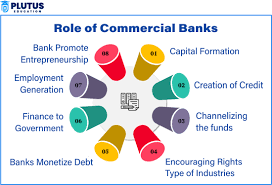
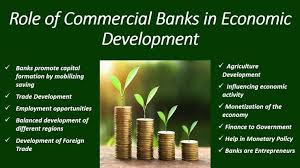
Commercial banks serve as the backbone of modern financial systems, driving economic growth, supporting businesses, and empowering individuals. By mobilizing savings, providing credit, and facilitating trade, these institutions play a pivotal role in shaping both domestic and global economies. Prominent banks such as JPMorgan Chase, HSBC, and State Bank of India demonstrate how large-scale banking…

Read More

The Role of Regulatory Bodies in Strengthening Financial Systems

In the modern global economy, financial systems play a central role in supporting economic stability, facilitating investment, and enabling businesses and individuals to manage money effectively. These systems include banks, stock markets, insurance companies, and other financial institutions that help circulate capital throughout the economy. However, financial markets can also face serious risks, including fraud,…

Read More

Impact of Financial Technology (FinTech) on Traditional Banking

The rapid rise of Financial Technology (FinTech) has transformed the global financial landscape. From mobile banking apps to blockchain-based payments, FinTech innovations are redefining how individuals and businesses manage money. Traditional banks, once the undisputed leaders in financial services, now face significant pressure to adapt to digital disruption, changing customer expectations, and innovative competitors. This…

Read More

Cybersecurity Challenges in the Banking Sector: Risks, Trends, and Solutions in 2026

The banking sector is among the most targeted industries for cyberattacks. As financial institutions accelerate digital transformation, adopt cloud technologies, and expand mobile banking services, the cybersecurity landscape has grown increasingly complex. From ransomware campaigns to insider threats, banks face evolving risks that can disrupt operations, erode customer trust, and compromise financial stability. In this…

Read More

The Evolution of Investment Banking in the 21st Century

Investment banking has undergone a profound transformation over the past two decades. Once dominated by traditional advisory services and capital raising, the industry now embraces digital innovation, global expansion, and sustainable finance, while navigating complex regulatory landscapes. Major players like Goldman Sachs, JPMorgan Chase, and Morgan Stanley have been at the forefront of this evolution,…

Read More

Sustainable Finance: The Rise of Green Banking Initiatives

Sustainable finance has emerged as a transformative force in the global financial sector. As concerns about climate change, environmental degradation, and social responsibility intensify, financial institutions are reimagining their strategies to align profitability with sustainability. At the forefront of this evolution is green banking—a set of initiatives designed to support environmentally responsible projects while fostering…

Read More

Digital Payments and the Transformation of Consumer Banking

In recent years, digital payments have revolutionized consumer banking, redefining how individuals interact with financial institutions. The rise of mobile wallets, UPI platforms, contactless cards, and digital banking apps has not only enhanced convenience but also reshaped customer expectations and banking strategies worldwide. This article explores how digital payments are transforming consumer banking, the benefits…

Read More

The Role of Central Banks in Economic Stability

Central banks are pivotal institutions in any economy, serving as guardians of monetary stability, regulators of the financial system, and key drivers of economic growth. By influencing interest rates, controlling money supply, and supervising commercial banks, central banks maintain financial stability, support sustainable growth, and prevent economic crises. Institutions such as the Federal Reserve (U.S.),…

Read More

Cryptocurrency and the Future of Global Banking Systems

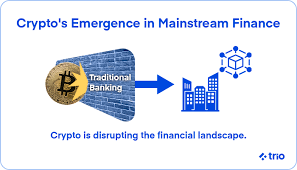
The global financial industry is experiencing a significant transformation, driven by rapid technological advancements. Among the most influential developments is the rise of cryptocurrency, a digital form of money that operates independently of traditional banking institutions. Over the past decade, digital currencies such as Bitcoin, Ethereum, and Ripple have attracted attention from investors, technology experts,…

Read More

The Importance of Financial Inclusion in Developing Economies

Financial inclusion has become a cornerstone for fostering economic growth, social equity, and poverty reduction in developing economies. At its core, financial inclusion ensures that individuals and businesses—particularly those in underserved communities—have access to affordable, secure, and useful financial services such as savings accounts, credit, insurance, and digital payments. Despite rapid economic progress in regions…

Read More
??