Cryptocurrency and the Future of Global Banking Systems
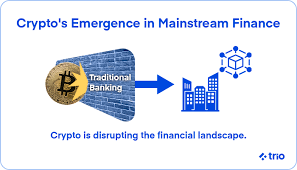
The global financial industry is experiencing a significant transformation, driven by rapid technological advancements. Among…





The global financial industry is experiencing a significant transformation, driven by rapid technological advancements. Among…

In the modern global economy, financial systems play a central role in supporting economic stability,…

The financial services industry is undergoing a profound transformation, fueled by the rapid adoption of…
In many parts of the world, poverty remains a persistent challenge, with millions of individuals…
The global financial industry is experiencing a significant transformation, driven by rapid technological advancements. Among the most influential developments is the rise of cryptocurrency, a digital form of money that operates independently of traditional banking institutions. Over the past decade, digital currencies such as Bitcoin, Ethereum, and Ripple have attracted attention from investors, technology experts,…
In the modern global economy, financial systems play a central role in supporting economic stability, facilitating investment, and enabling businesses and individuals to manage money effectively. These systems include banks, stock markets, insurance companies, and other financial institutions that help circulate capital throughout the economy. However, financial markets can also face serious risks, including fraud,…
The financial services industry is undergoing a profound transformation, fueled by the rapid adoption of Artificial Intelligence (AI). From traditional banks to fintech startups, organizations are leveraging AI technologies to streamline operations, enhance customer experiences, and gain actionable insights from vast datasets. While AI offers immense opportunities for growth and efficiency, it also introduces significant…
In many parts of the world, poverty remains a persistent challenge, with millions of individuals lacking access to basic financial services. Traditional banking systems often exclude low-income populations, leaving them vulnerable to exploitative lenders and limiting their economic opportunities. Microfinance has emerged as a powerful tool to address these challenges. By offering small loans, savings…

In recent years, digital payments have revolutionized consumer banking, redefining how individuals interact with financial institutions. The rise of mobile wallets, UPI platforms, contactless cards, and digital banking apps has not only enhanced convenience but also reshaped customer expectations and banking strategies worldwide. This article explores how digital payments are transforming consumer banking, the benefits…
In today’s rapidly evolving financial environment, credit risk assessment has become a cornerstone of responsible banking and lending practices. Assessing the likelihood that borrowers will default on their obligations is critical for financial stability, loss mitigation, and investor confidence. Modern financial institutions are increasingly relying on sophisticated technologies and analytical methods to evaluate credit risk…
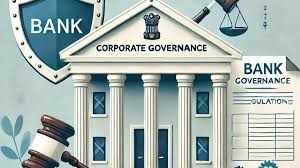
In today’s complex financial ecosystem, corporate governance in banking has become a cornerstone for maintaining financial stability, operational efficiency, and public confidence. Banks are central to economic growth, and strong governance practices are crucial to mitigate risks, ensure transparency, and uphold ethical standards. This article explores the principles, importance, challenges, and global best practices of…

Inflation, defined as the sustained increase in the general price level of goods and services, is a critical economic factor influencing both banking operations and financial markets. Its effects are far-reaching, affecting interest rates, loan performance, investment strategies, and overall financial stability. For banks, investors, policymakers, and consumers, understanding the dynamics of inflation is essential…
Financial crises have repeatedly reshaped the global economic landscape, leaving lasting effects on businesses, governments, and individuals. From massive bank collapses to severe recessions, the ripple effects of these crises underscore the importance of understanding their causes, consequences, and the lessons they teach policymakers, investors, and citizens alike. This article provides a comprehensive analysis of…
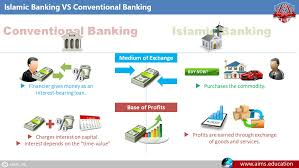
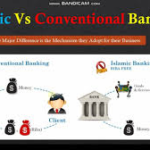
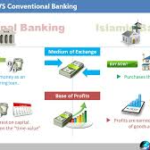
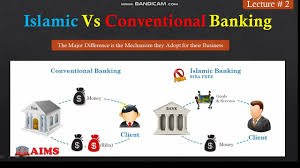
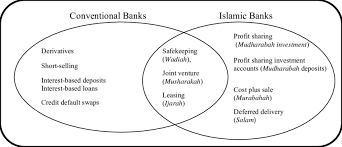
In today’s rapidly evolving financial landscape, banks play a crucial role in supporting economic growth, facilitating trade, and helping individuals manage personal wealth. Among the diverse banking systems, Islamic banking and conventional banking stand out as the most widely practiced worldwide. While both provide essential services like accepting deposits, offering loans, and enabling investments, they…